Contact
DEDERICHS REINECKE & PARTNER
Public Relations Consultants
Schulterblatt 58
20357 Hamburg
Fon: +49 40 20 91 98 220
E-Mail: info@dr-p.de
PR-Agentur Hamburg
Imprint | Privacy policy
AI Policy
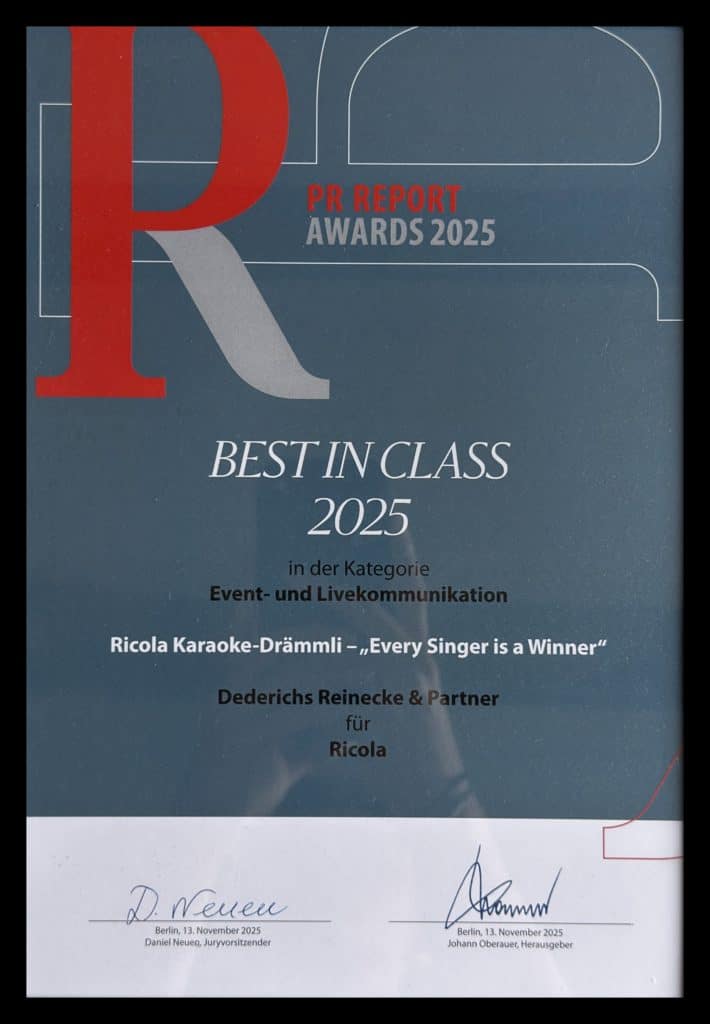
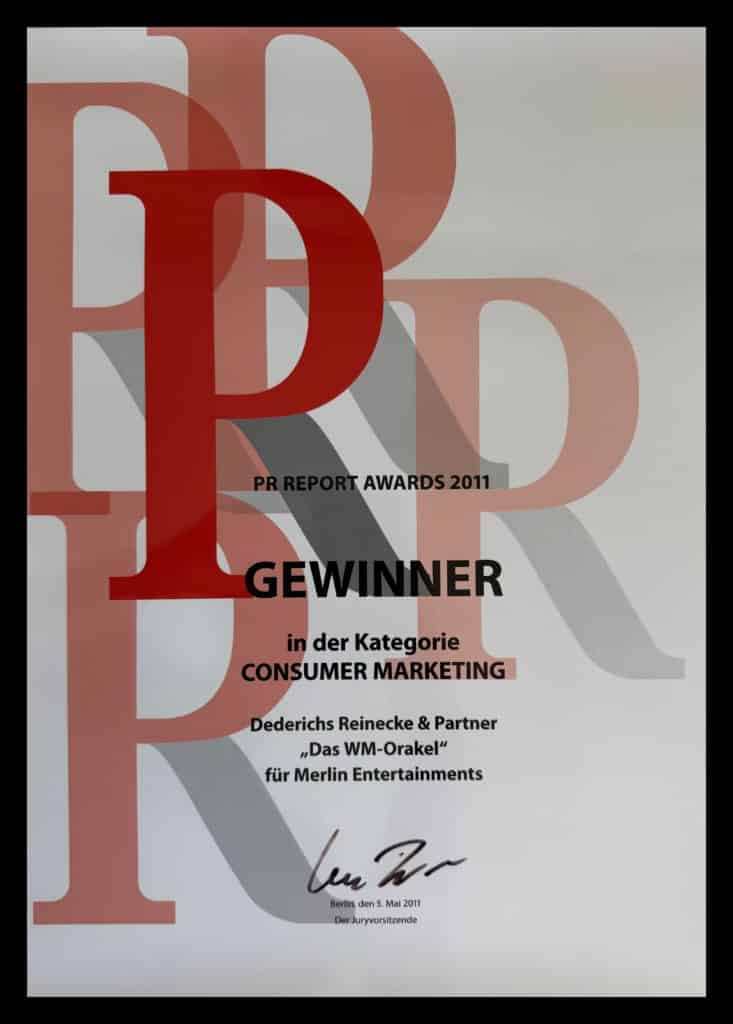
Awards

DEDERICHS & REINECKE Public Relations GmbH & Co. KG uses artificial intelligence systems as supportive technology to improve workflows, analytical capabilities and creative performance. AI is a tool that extends human expertise, not a replacement for it.
All professional decisions, evaluations and publications remain under human responsibility. AI generated content is considered a draft or working basis and must be actively reviewed by qualified staff.
The use of AI serves exclusively to increase quality, efficiency and the strategic development of our services for clients.
This policy applies to all digital systems that automatically generate content, perform analysis, structure information or provide recommendations. This includes language models, image generators, analytical tools and AI assisted systems.
The rules apply to all employees, freelancers, contractors and partners working on behalf of the company.
AI may only be used for lawful, professional and ethically acceptable purposes.
Any use is prohibited that
Employees must critically review AI outputs and refrain from using them in case of doubt. Responsibility cannot be delegated to a system.
All AI applications must comply with applicable laws. This includes data protection, copyright, competition law and personality rights.
Personal data may only be processed if a clear legal basis exists. Sensitive information requires special protection and may not be entered into external AI systems without explicit authorization.
AI may not be used to automatically evaluate personal characteristics or generate sensitive predictions about individuals.
The use of AI in client projects is transparent and traceable. Upon request, the extent of AI involvement can be explained.
If project scope, pricing or timelines significantly depend on AI support, this must be agreed in advance and documented in writing.
No AI generated content may be published or delivered to clients without human review.
Before external use, content must be checked for
Responsibility for the final output always remains with the reviewing person.
Projects are categorized into three protection levels.
Level A strictly confidential
Level B internal
Level C public
Project management is responsible for classification and documentation.
The company appoints internal AI leads who coordinate training, support employees and monitor compliance with this policy.
All staff must maintain sufficient knowledge about AI functionality, risks and legal frameworks. Training is provided regularly.
Any uncertainty, malfunction or potential policy violation related to AI must be reported internally without delay. Early transparency protects clients, employees and the company.
Technological and legal developments in AI are continuously monitored. This policy is reviewed regularly and updated when necessary. Changes are communicated company wide.
Hamburg, 1.6.2025
DEDERICHS & REINECKE Public Relations GmbH & Co. KG